
Christopher Nolan has never been known for doing things by halves. From the shifting cityscapes of Inception to Gotham’s gritty streets of Batman and the haunting landscapes of Dunkirk, his films are built to be experienced on the largest possible canvas.
For his adaptation of Homer’s The Odyssey, Nolan turned the real world into a land of gods, monsters and legendary kingdoms. Rather than relying heavily on computer-generated scenery, the production travelled across Morocco, Greece, Italy, Iceland and Scotland, seeking out ancient fortresses, volcanic islands, lonely beaches and rugged coastlines that already looked as though they belonged in myth.
The result is a cinematic journey that doubles as an inspiring travel itinerary. While Odysseus faced shipwrecks, Cyclopes and angry gods, modern travellers can explore landscapes of ancient ruins, dramatic coastlines and sun-drenched islands at a far more relaxed pace.
Read on to discover the real-world locations that brought this legendary journey to life.
Morocco: Walk Through the Gates of Troy
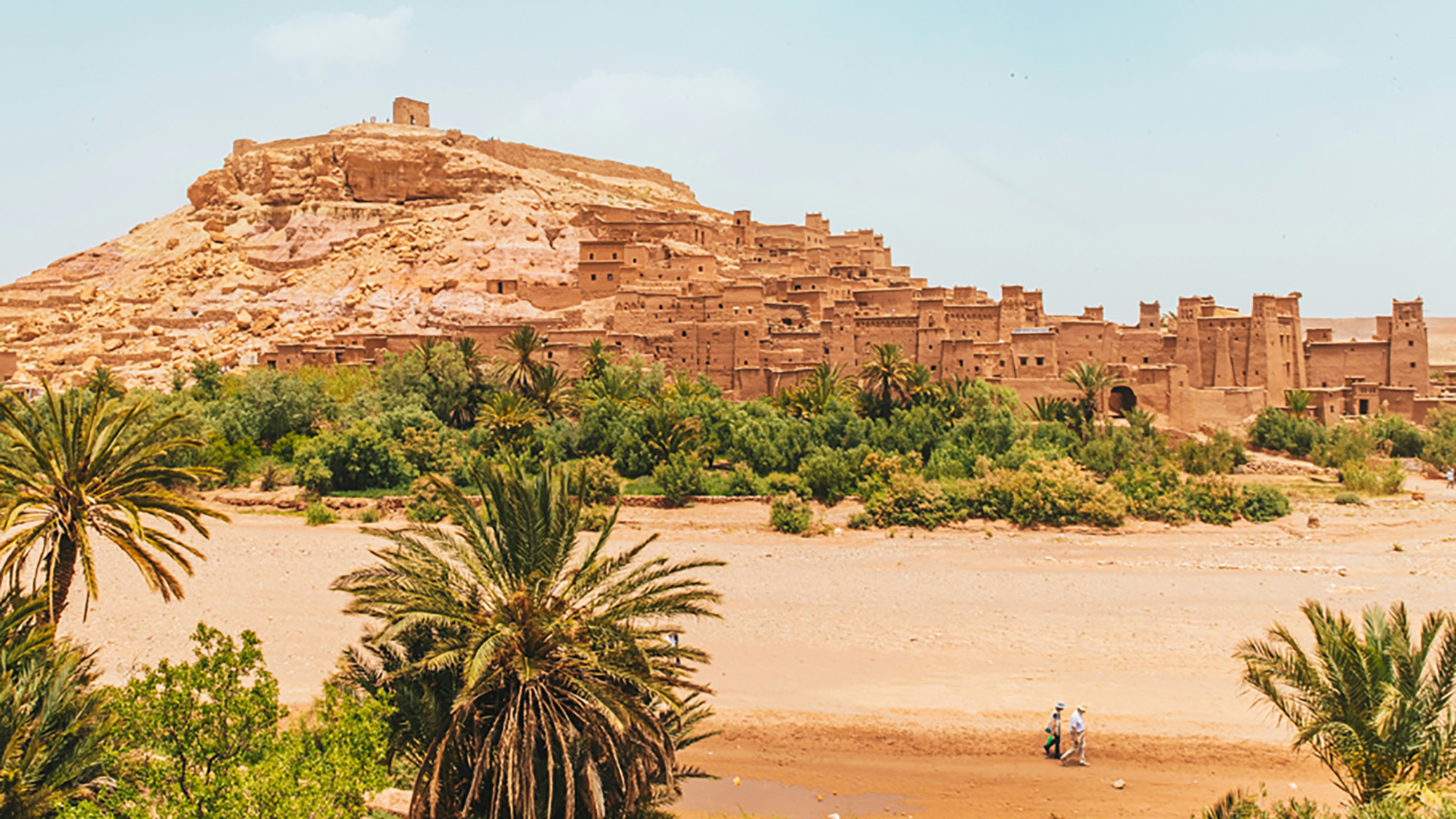
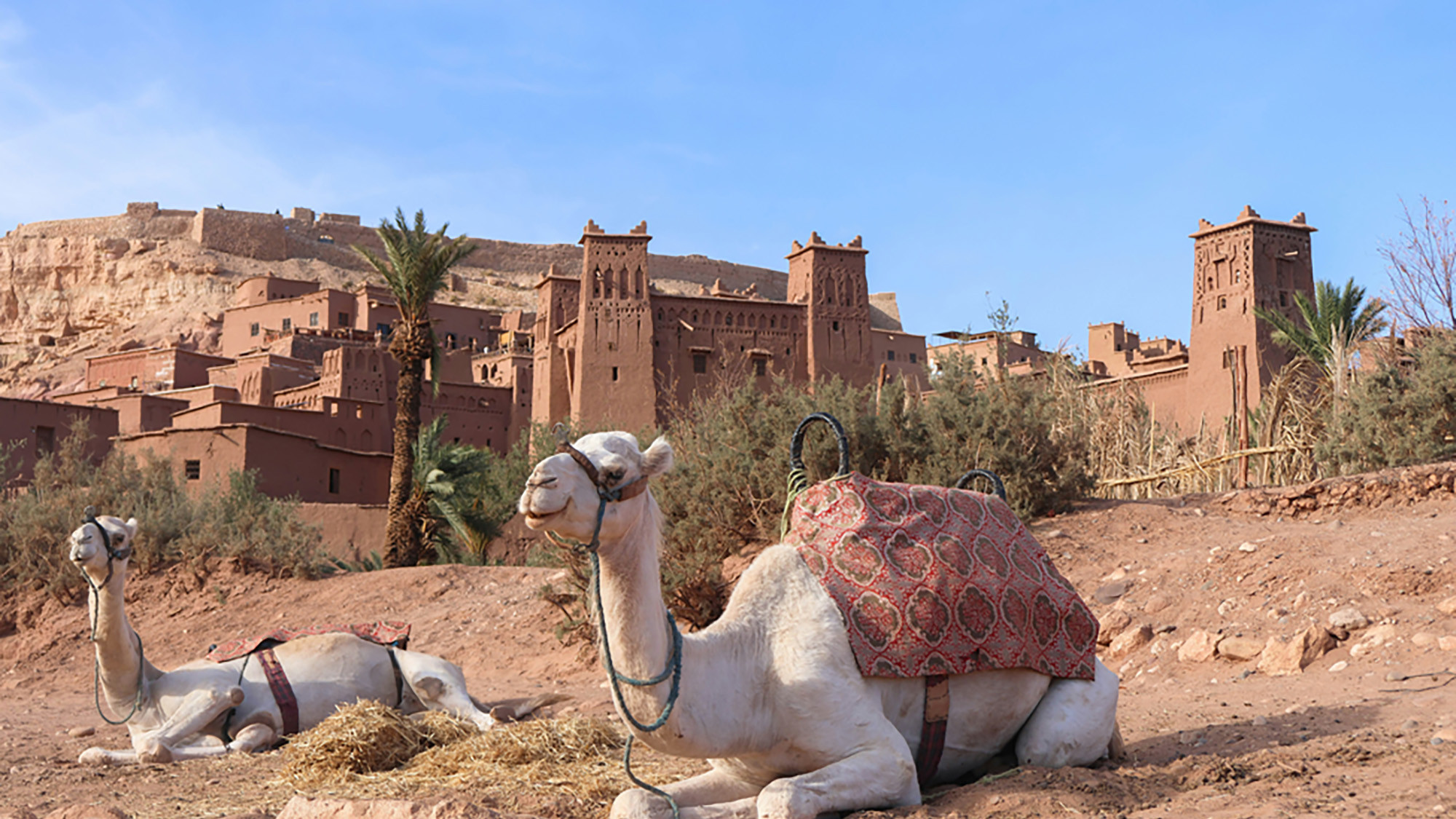
The ancient city of Troy was brought to life at Aït Benhaddou, a remarkable fortified village on the former caravan route between Marrakech and the Sahara. Located near Ouarzazate, this UNESCO World Heritage site is built almost entirely from earthen clay, with towers, narrow passageways and traditional homes rising from the ochre landscape.
In The Odyssey, Aït Benhaddou became Troy at the end of the Trojan War, setting the scene for Odysseus’s long journey home. The production also filmed in Marrakech and around the Atlantic port city of Essaouira, where large-scale Trojan War sequences were staged against windswept beaches and historic coastal scenery.
Aït Benhaddou is reached by a scenic drive through the High Atlas Mountains from Marrakech. Visitors can cross the shallow river and wander through the old village, climbing gradually towards the fortified granary at the summit. The upper levels reward the effort with sweeping views across the surrounding desert and palm-lined valley. The pathways can be uneven, so comfortable walking shoes and a relaxed pace are recommended. Travellers who prefer not to climb to the top can still appreciate the village’s architecture and atmosphere from the lower streets.
Essaouira offers a completely different Moroccan experience. Its whitewashed medina, blue fishing boats and fortified sea walls create a wonderfully relaxed coastal setting. Spend time exploring artisan workshops, enjoy freshly grilled seafood beside the harbour or walk along the broad beach where the Atlantic wind rolls in from the ocean. Together, these locations reveal several sides of Morocco, from desert strongholds to breezy seaside towns.

Aït Benhaddou & Essaouira, Morocco
Greece: Into the Land of the Cyclops
It is fitting that much of The Odyssey was filmed in Greece, particularly across the Peloponnese, a region rich in mythology, archaeological treasures and beautiful coastline.
One of the production’s most memorable settings was Nestor’s Cave, located above Voidokilia Beach in Messinia. The natural cave was used for scenes involving the Cyclops, Polyphemus, one of the most famous creatures encountered during Odysseus’s voyage.
Voidokilia Beach is instantly recognisable from above. Its pale sand curves around brilliant turquoise water in an almost perfect horseshoe, framed by green hills and rocky headlands. It remains relatively undeveloped, preserving the timeless appearance that made it so suited to Nolan’s ancient world.
Reaching Nestor’s Cave involves a climb, and the trail can be steep and exposed. Those who would rather remain at sea level can enjoy the beach itself or admire the wider landscape from nearby viewpoints. The surrounding Messinia region offers plenty of gentler experiences, including waterfront dining in Pylos, olive oil tastings and leisurely drives through stone villages.
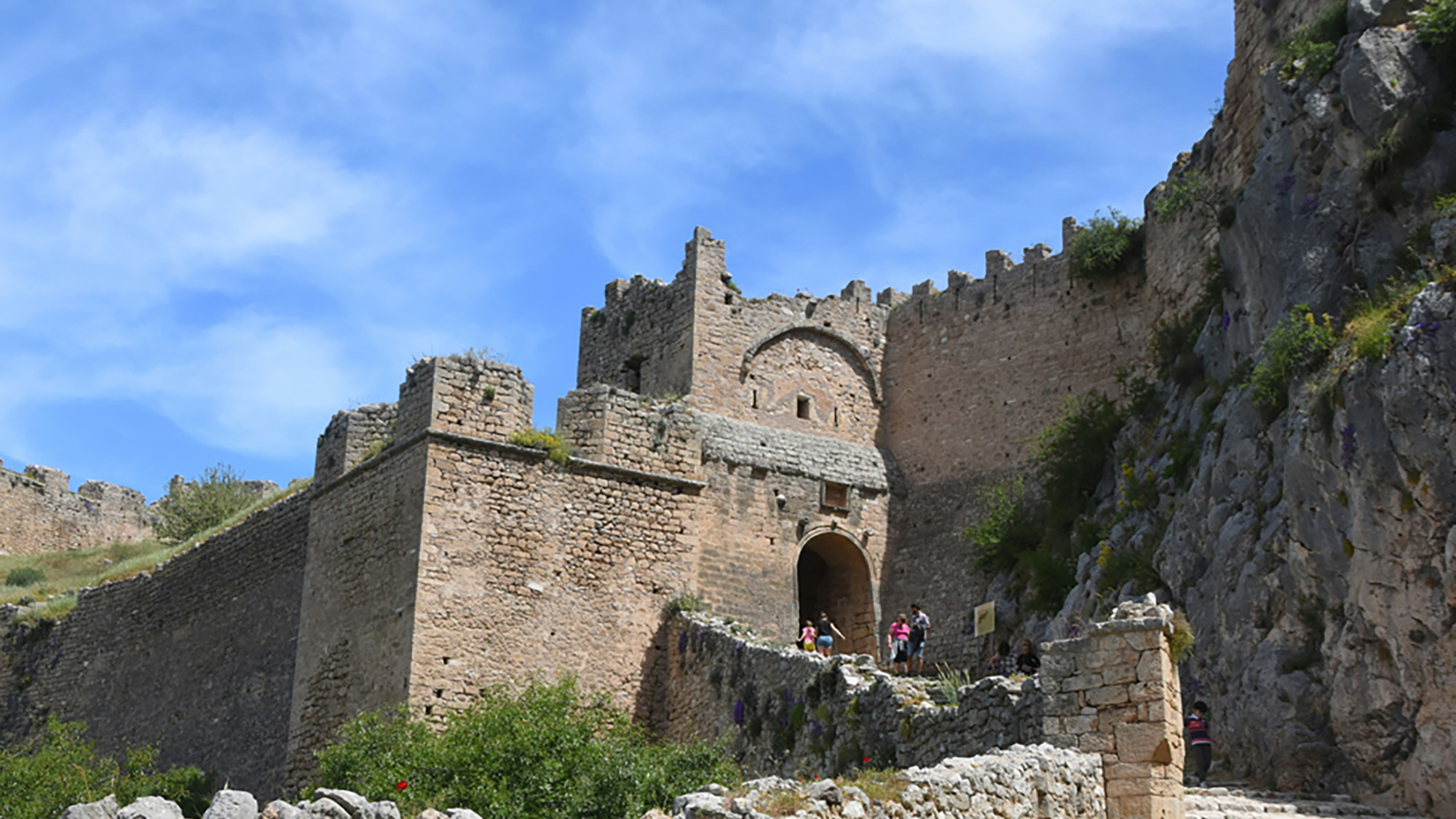
Acrocorinth, another filming location, rises above the ancient city of Corinth. This immense hilltop fortress has been occupied and altered by Greeks, Romans, Byzantines, Crusaders, Venetians and Ottomans. The climb is demanding, but even a partial visit reveals extraordinary views across the surrounding countryside and Gulf of Corinth. It is an ideal region for travellers interested in history but also looking for beautiful scenery, traditional tavernas and quieter alternatives to Greece’s busiest islands.
Check out our next Ancient Greece tour here!

Acrocorinth & Voidokilia Beach, Greece
Italy: Odysseus’s Island Kingdom
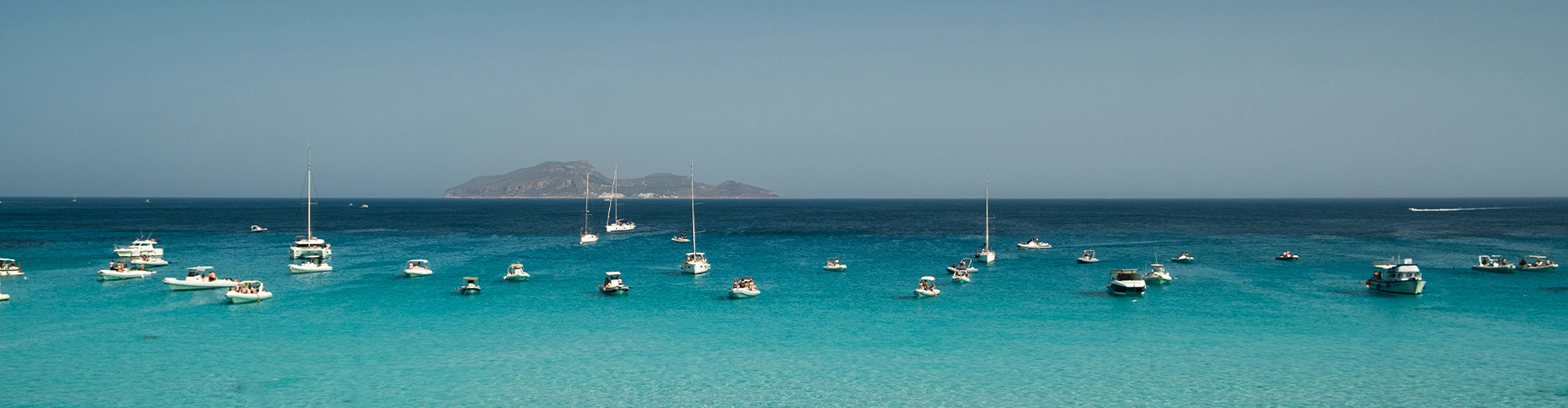
The island of Favignana, off the western coast of Sicily, portrayed Ithaca, the home Odysseus spends years trying to reach.
Part of the Egadi Islands, Favignana is known for clear blue coves, limestone cliffs and a pleasantly unhurried atmosphere. During filming, members of the cast and crew regularly made their way up to the 15th-century Castello di Santa Caterina, a former fortress positioned on the island’s highest point.
The walk to the castle is steep, particularly in warmer weather, but visitors do not need to complete the climb to appreciate Favignana. Boat trips circle the island and stop near sheltered swimming spots such as Cala Rossa and Cala Azzurra, while electric bicycles provide a convenient way to explore the flatter coastal roads.
Favignana can be reached by ferry from Trapani in Sicily. A few nights on the island allow time to enjoy its cafés, seafood restaurants and old tuna-processing complex, which now houses a museum telling the story of an industry that shaped local life for generations.
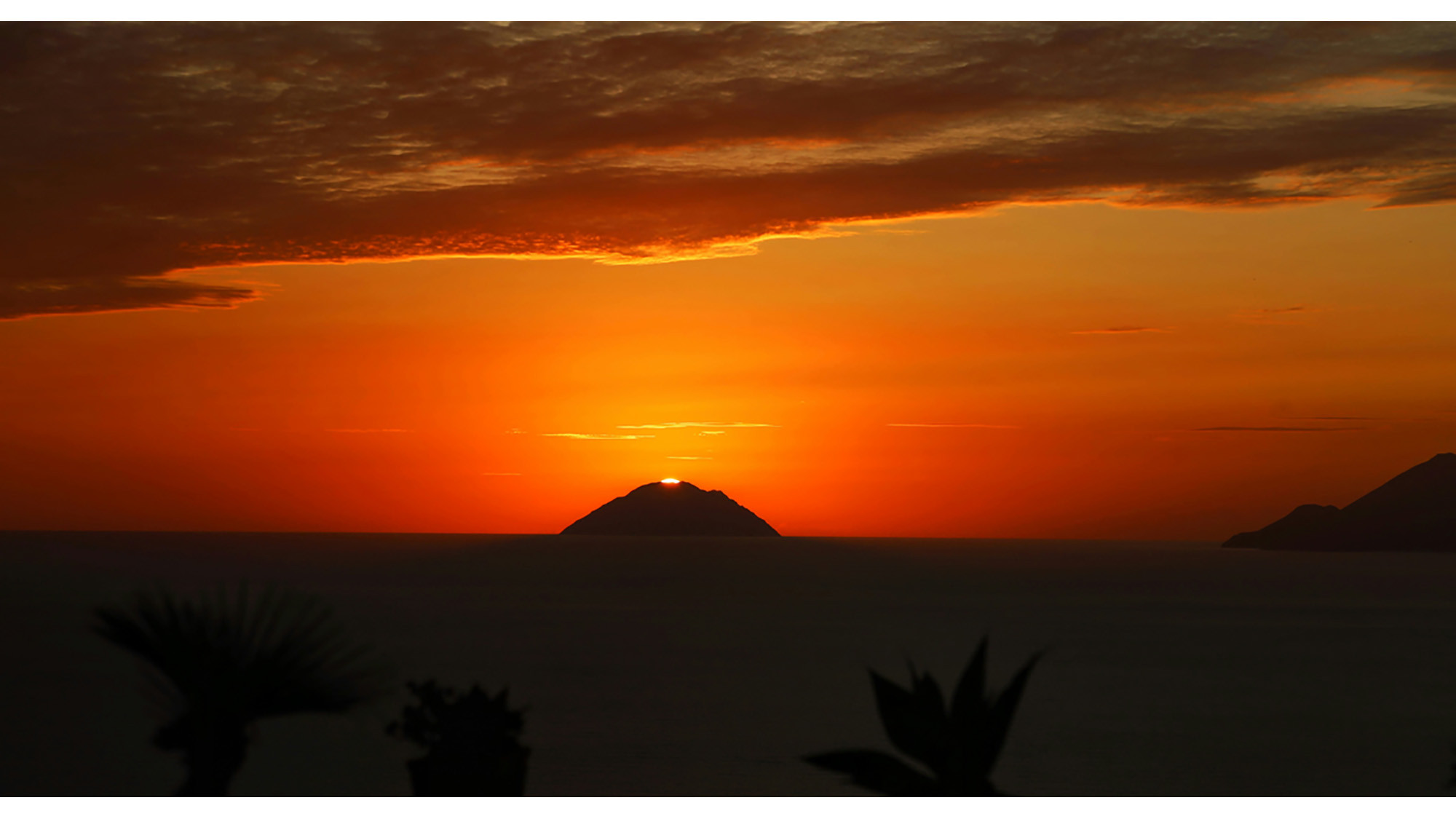
The production also travelled to the Aeolian Islands, a volcanic archipelago north of Sicily that represented Aeolia, the floating island ruled by Aeolus, keeper of the winds.
Lipari is the largest and most accessible of the islands, with a lively harbour, an archaeological museum and narrow streets filled with shops and restaurants. Nearby Vulcano presents a wilder landscape of black sand, volcanic rock and steaming ground. Boat trips between the islands reveal sea caves, isolated bays and the smoking cone of Stromboli in the distance.
The Aeolian Islands are best explored slowly. Ferries and organised excursions make island-hopping relatively straightforward, although schedules can be affected by weather. Spring and early autumn offer warm days with fewer visitors than the height of summer.
Check out our next Malta & Sicily tour here!
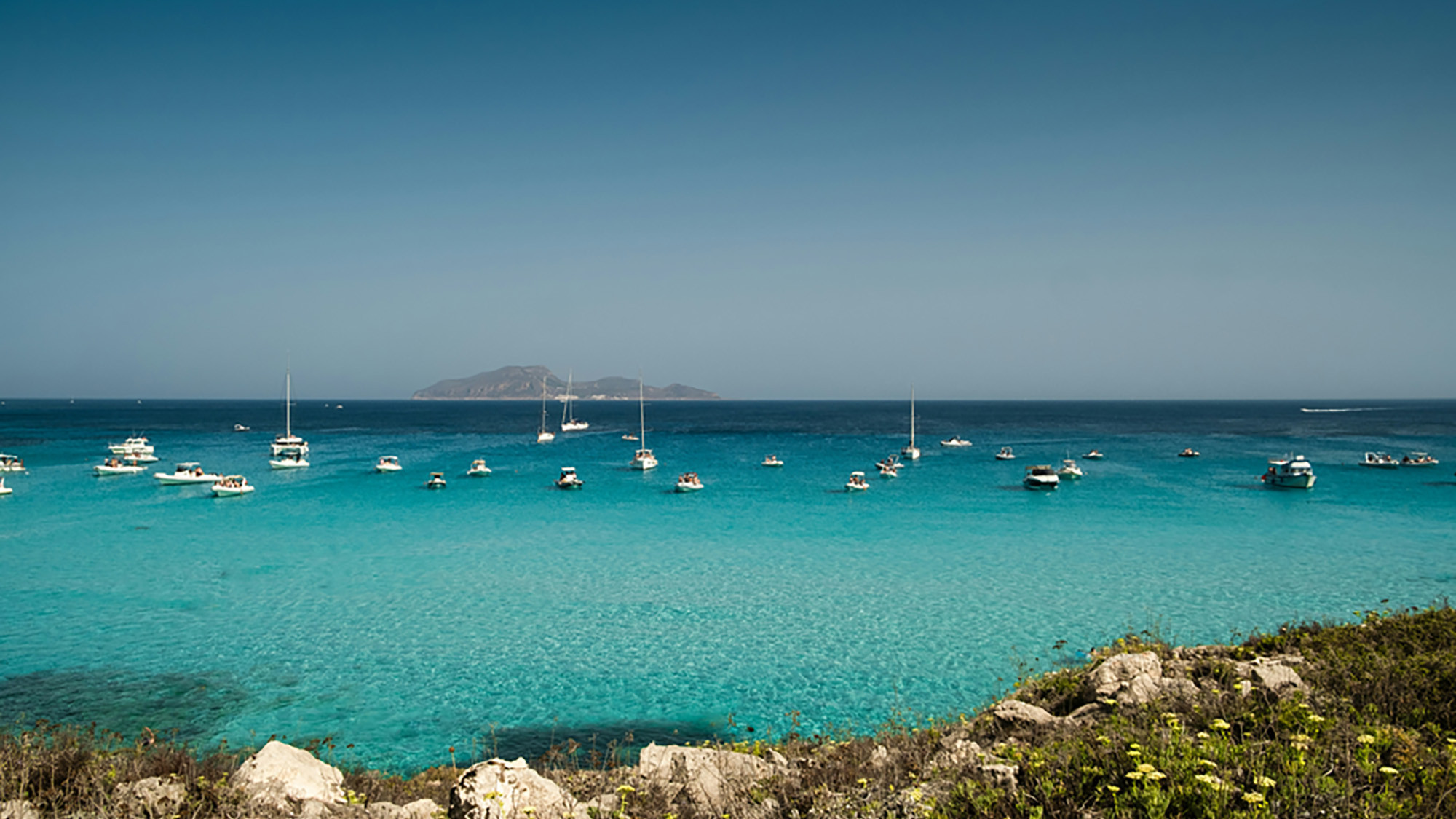
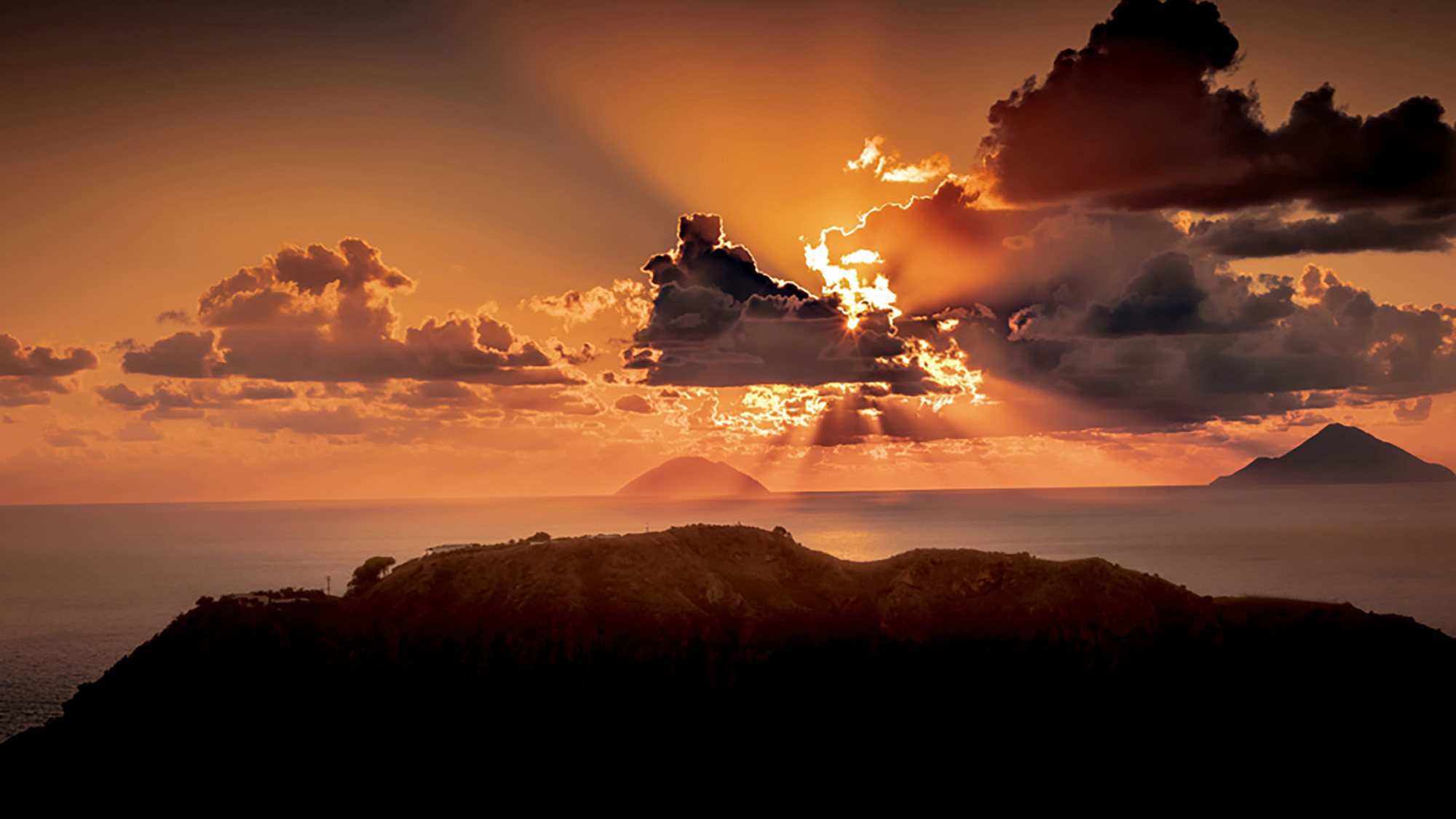
Favignana & Lipari, Italy
Iceland: A Journey into the Underworld
To create the frozen, otherworldly realm of Hades, the production turned to Iceland.
Filming took place around Hjörleifshöfði, a mountain rising from an immense expanse of black volcanic sand on Iceland’s south coast, as well as on the Snæfellsnes Peninsula in the west. The combination of caves, lava fields, dark beaches and rapidly changing weather gave Odysseus’s journey to the underworld a suitably unsettling scale.
Hjörleifshöfði is near the village of Vík, a popular stop on Iceland’s south-coast touring route. The surrounding region includes the black sands of Reynisfjara, the waterfalls of Skógafoss and Seljalandsfoss, and views towards vast glaciers and volcanic mountains.
The Snæfellsnes Peninsula is often described as Iceland in miniature. Its landscapes include fishing villages, lava formations, waterfalls, sea cliffs and the glacier-capped Snæfellsjökull volcano. Kirkjufell, one of Iceland’s most photographed mountains, is also found here.
Self-driving is possible, but guided touring is an appealing option for visitors who would rather concentrate on the scenery than changing road and weather conditions. Iceland’s geothermal pools, comfortable lodges and excellent coach tours make its remote landscapes more accessible than their dramatic appearance might suggest.
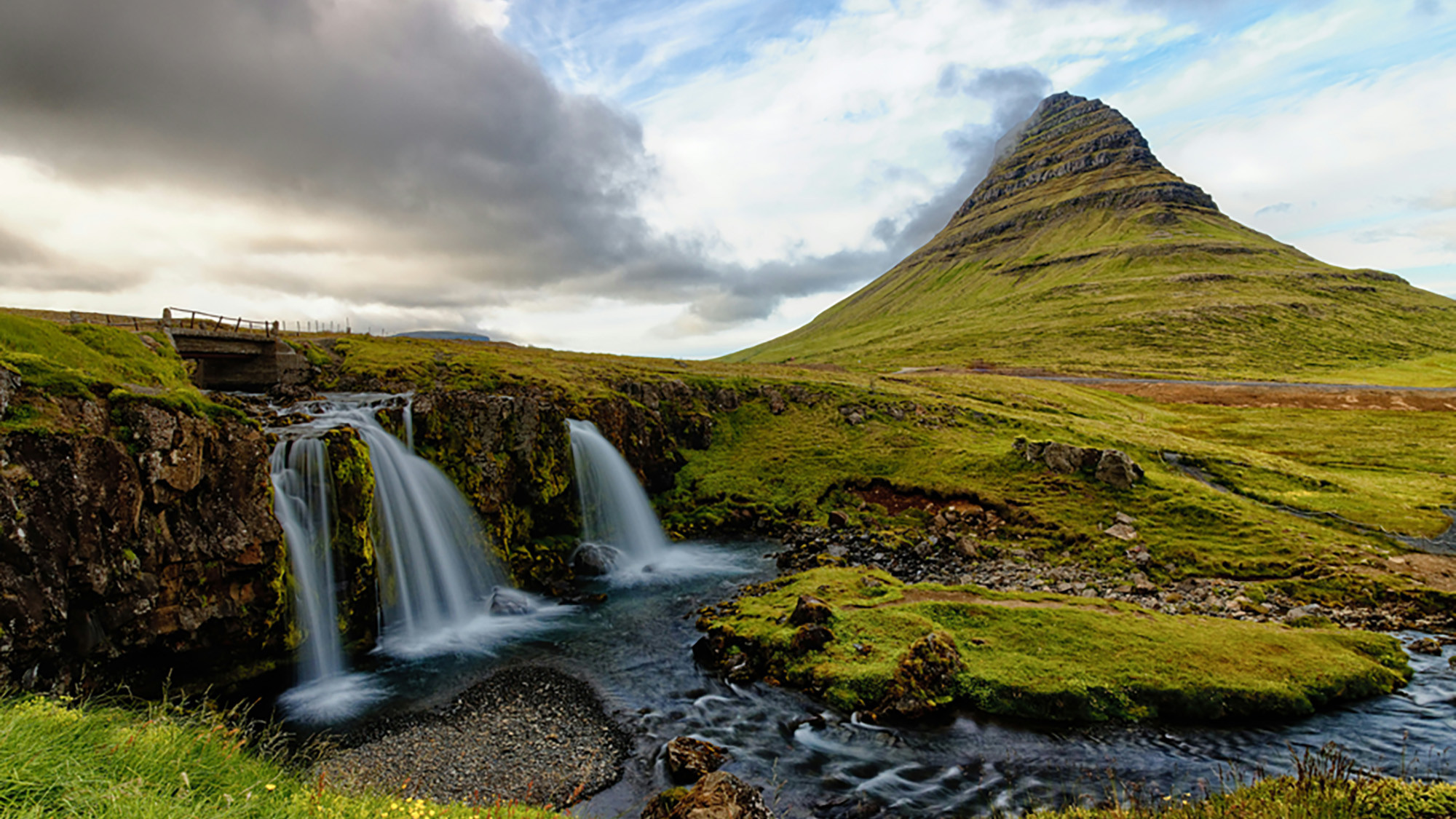
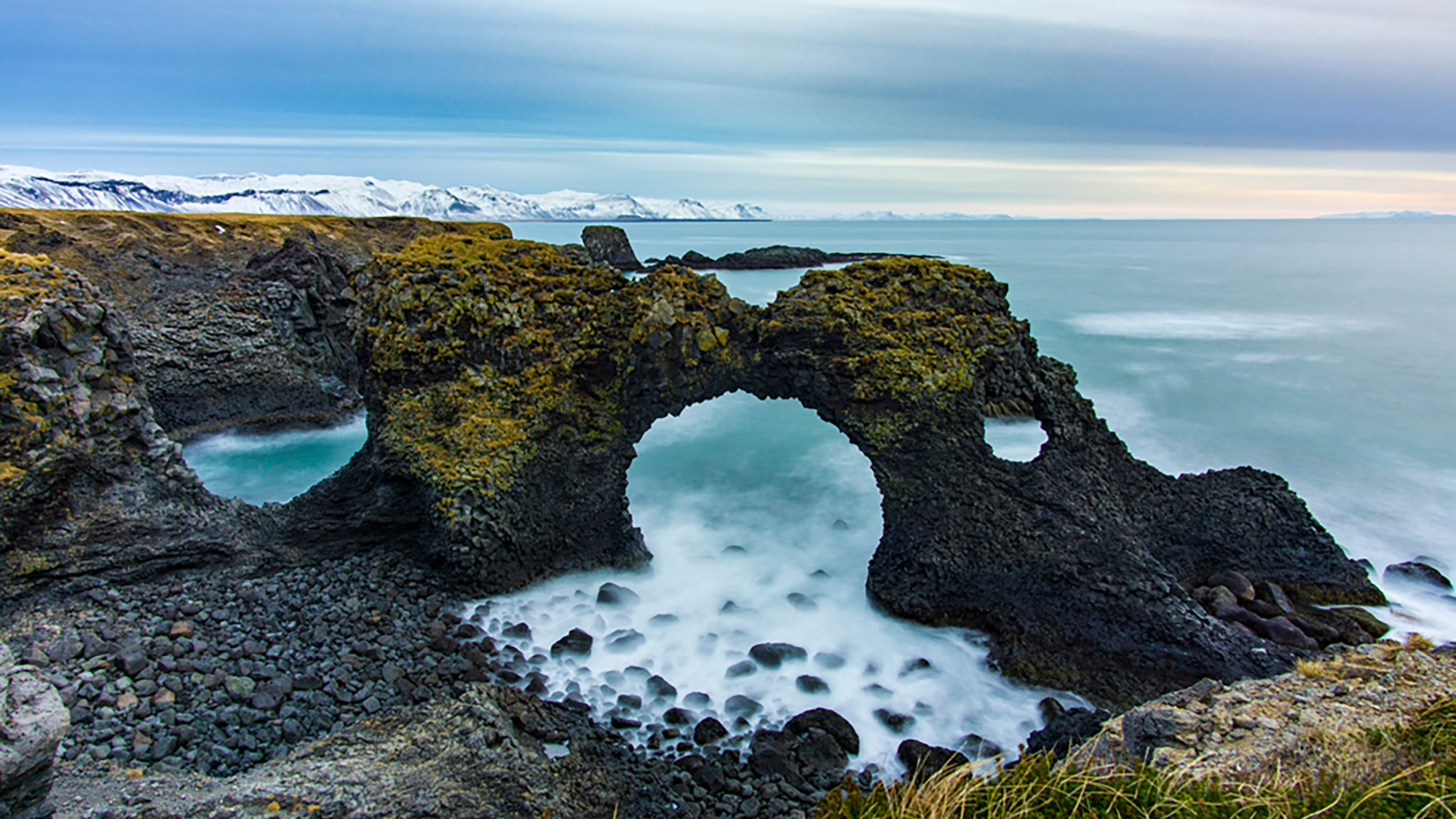
Kirkjufell & Snæfellsnes , Iceland
Scotland: Islands of Sorcery and Giants
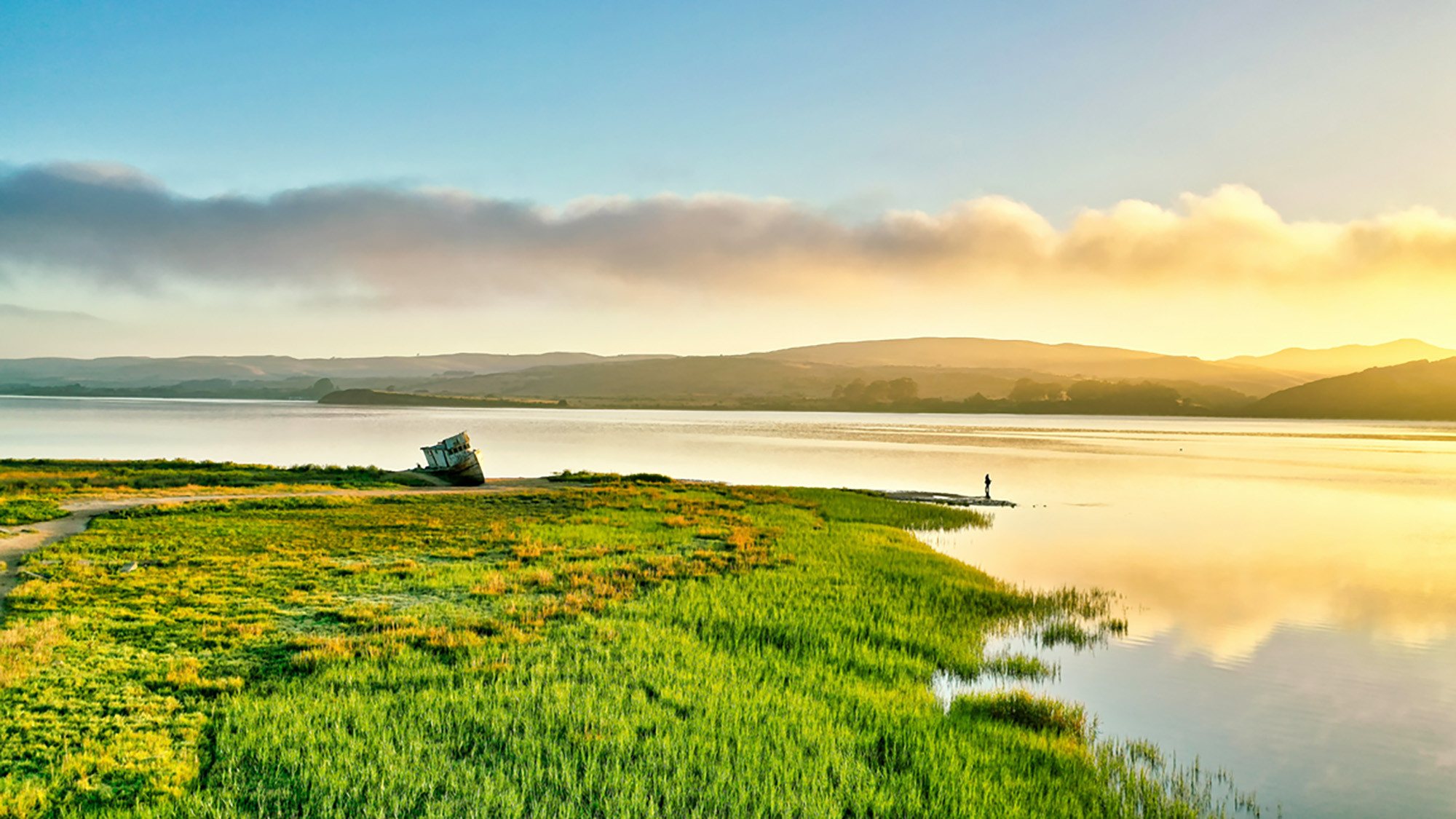
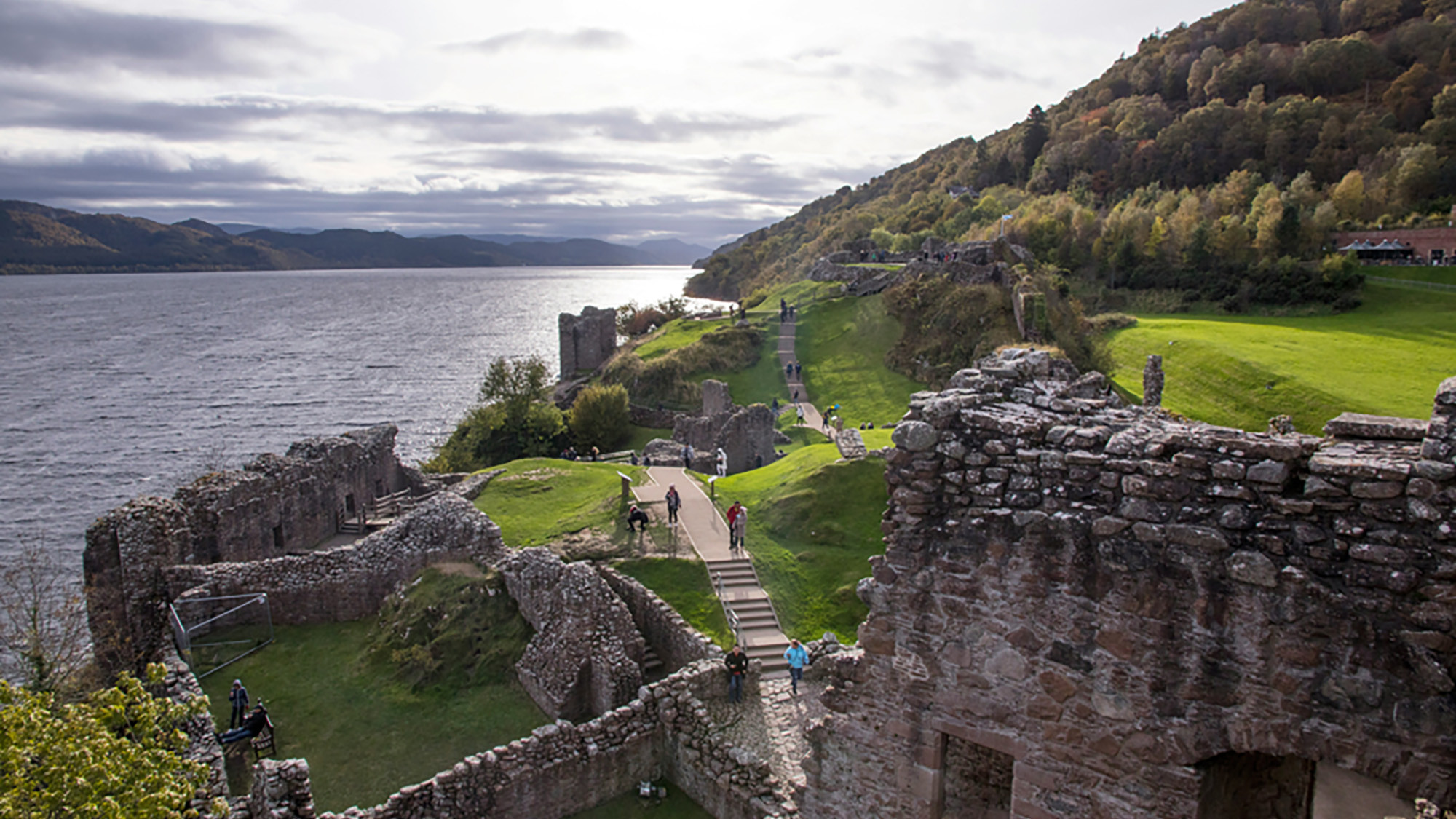
The rugged Moray Firth coast in northern Scotland provided the setting for Circe’s island of Aeaea and the land of the Laestrygonians, a race of dangerous giants encountered by Odysseus.
Filming locations included Culbin Forest, an atmospheric landscape of pine trees, sand dunes and salt marshes, and the ruins of Findlater Castle, perched on cliffs overlooking the North Sea. Coastal and shipwreck sequences were also filmed around the wider Moray area.
Located at the southern end of the Moray Firth, Inverness makes a convenient starting point for exploring these dramatic landscapes. From here, travellers can visit Culbin Forest, enjoy scenic walks through the dunes and woodland, and continue along the coast towards Findlater Castle.
Nearby towns such as Cullen, Portsoy and Findochty add traditional harbours, stone cottages and welcoming cafés to the journey, while the whisky distilleries of Speyside are also within easy reach.
Check out our next Scotland tour here!
Inverness, Scotland
Plan an Odyssey of Your Own
What makes these filming locations so appealing is that they offer far more than a connection to the screen. Each destination possesses its own history, culture and character, from Morocco’s earthen villages and Greece’s ancient fortresses to Sicily’s island life, Iceland’s volcanic wilderness and Scotland’s wild northern coast.
They can be visited individually or used as inspiration for a series of journeys over several years. There is no need to recreate Odysseus’s entire voyage in one heroic undertaking.
After all, travel should feel epic because of what you experience, not because it takes ten years to get home.
Ready to plan your own European odyssey? Click here to explore our best packages, or get in touch with one of our travel experts!
1300 854 897 | holidays@holidaysofaustralia.com.au