

There is nothing quite like the thrill of an overseas holiday. One minute you are making a cup of tea at home, the next you are picturing yourself cruising through Europe, wandering a Japanese garden, enjoying high tea in London or watching the sunset over the Mediterranean.
But before the suitcase comes out and the passport gets tucked safely into your carry-on, there are a few practical things worth sorting. Travel money, insurance, cards and sneaky fees may not be the most glamorous part of a holiday, but they can make the difference between smooth sailing and a few unwanted “well, that was annoying” moments.
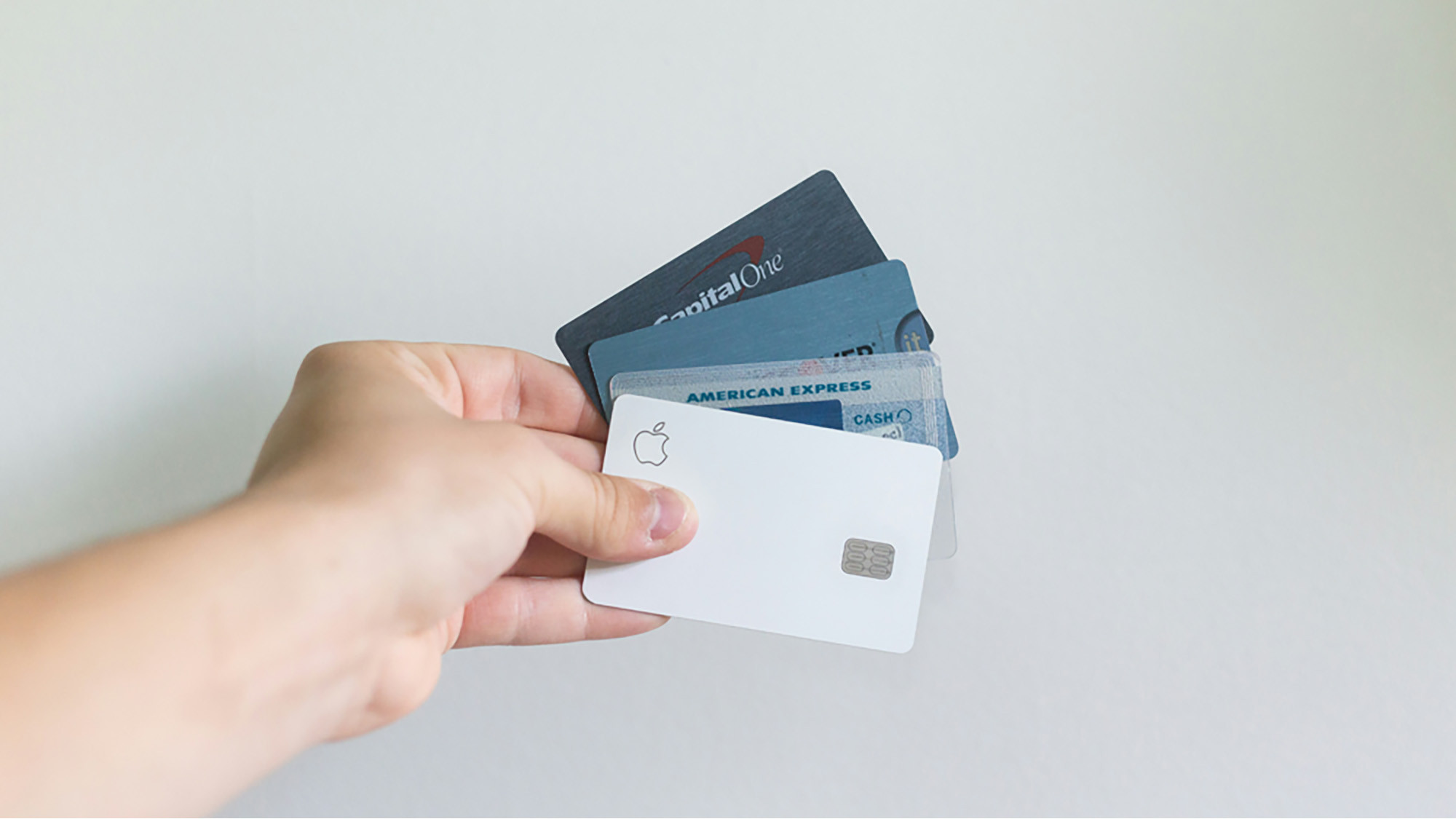
Here are some essential overseas travel tips for Australians, especially mature travellers who want their holiday to feel easy, organised and enjoyable from start to finish.
1. Organise Travel Insurance Early
Travel insurance should be one of the first things you arrange after booking your trip. It can help cover unexpected costs such as overseas medical treatment, cancellations, lost luggage, travel delays and emergency assistance.
For Australians travelling overseas, medical expenses can be very expensive. Even something simple, like a fall on uneven pavement or a sudden illness, can become costly in another country.
When comparing travel insurance, check:
- Overseas medical cover
- Cancellation cover
- Luggage and personal item limits
- Cruise cover, if you are cruising
- Rental car excess cover
- Pre-existing medical condition rules
- Mobility aids or medical equipment cover
- Emergency assistance phone support
If you have any pre-existing medical conditions, declare them properly. It may take a little extra paperwork, but it is far better than discovering later that something is not covered.

2. Tell Your Bank You’re Travelling
Before leaving Australia, let your bank know your travel dates and destinations. Many banks monitor unusual overseas transactions, which is helpful for fraud protection. However, it can also mean your card gets blocked at the least convenient moment, usually when you are trying to pay for dinner, check into a hotel or buy something important.
Most banks let you add travel plans through online banking or their mobile app. While you are there, check:
- Your daily withdrawal limit
- International card fees
- Emergency contact numbers
- What to do if your card is lost or stolen
- Whether your cards will work in your destination
It is also wise to take more than one card and keep them in separate places. Think of it as your financial spare tyre.
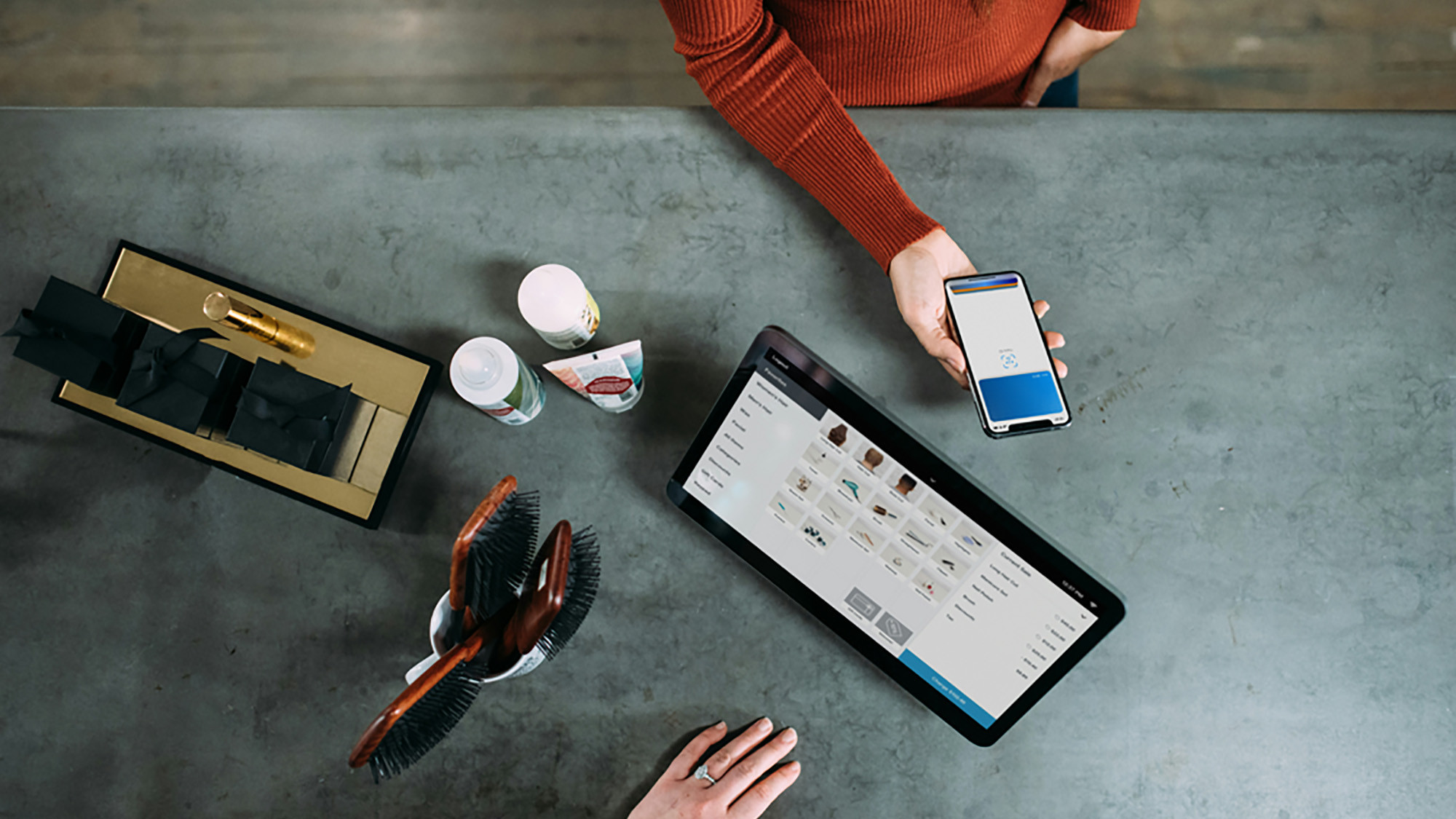
3. Consider a Travel Money Card or Wise Card
A travel money card can be a handy way to load foreign currency before you leave Australia. This can help with budgeting, especially if you are travelling to one main currency zone, such as Europe, the United Kingdom or the United States.
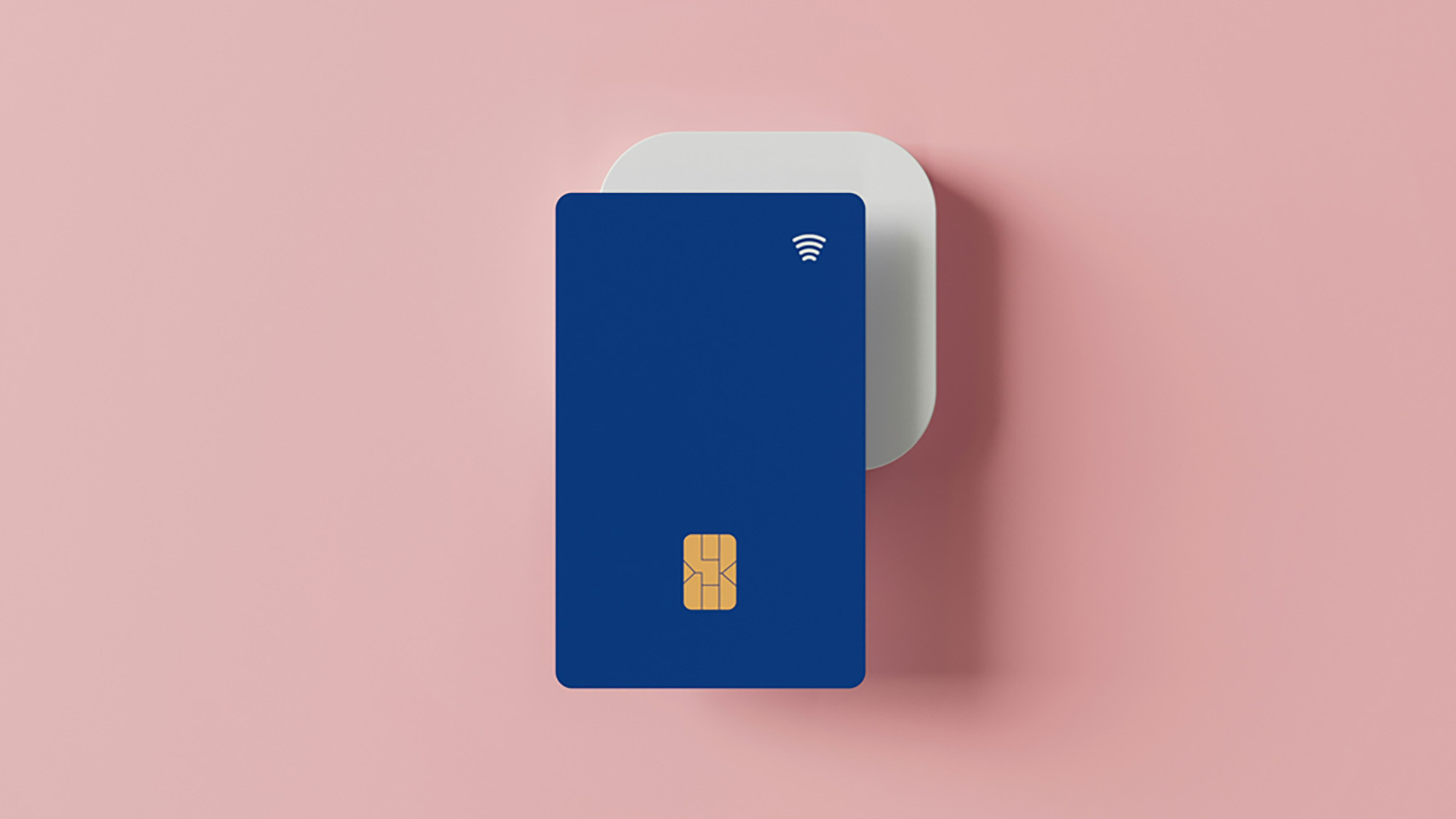
A Wise card is another popular option for travellers. It allows you to hold and spend in multiple currencies and can be useful if you are visiting several countries. Many travellers like that the app makes it easy to track spending, transfer money and see conversion fees clearly.
Before choosing any travel card, compare:
- Exchange rates
- Currency conversion fees
- ATM withdrawal fees
- Card issue or replacement fees
- Inactivity fees
- Supported currencies
- How easy the app is to use
A good travel card should make life easier, not leave you squinting at your phone in a hotel lobby wondering what just happened to your euros.
4. Take Some Local Currency
Cards are widely accepted in many countries, but cash still has its place. It is a good idea to arrive with a small amount of local currency for taxis, tips, markets, public transport, small cafés or places that simply prefer cash.
You do not need to carry a fortune. Enough for the first day or two is usually sensible. After that, you can withdraw more from reputable ATMs as needed.
Where possible, use ATMs attached to banks rather than standalone machines in busy tourist areas. These can sometimes charge higher fees or offer poor exchange rates.
When an ATM or card machine asks whether you want to pay in Australian dollars or the local currency, choose the local currency. This usually gives your own bank or card provider the chance to apply the exchange rate, rather than leaving it to the overseas machine. It is one of those tiny travel decisions that can quietly save you money.

5. Keep an Eye Out for Extra Fees
Travel fees can be sneaky little creatures, and can sometimes be a nasty surprise awaiting you when you return home. They often appear in small amounts, but over a few weeks they can add up.
- Common overseas travel fees include:
- Foreign transaction fees
- Currency conversion fees
- International ATM withdrawal fees
- Local ATM operator fees
- Credit card cash advance fees
- Hotel resort fees
- Airline baggage fees
- Seat selection fees
- Mobile roaming charges
- Rental car excess fees
- One-way car hire drop-off fees
Before you travel, check the fees on your debit card, credit card and travel money card. Some Australian cards are better suited to overseas travel than others. A few minutes of homework before you go can prevent your bank statement from returning home with souvenirs of its own.

6. Use Credit Cards Carefully
Credit cards can be very useful overseas, particularly for hotel bonds, car hire deposits and emergencies. Some credit cards also include complimentary travel insurance, but do not assume you are automatically covered.
Check the conditions carefully. You may need to pay for part or all of your trip using that card to activate the insurance. Also check whether your spouse, travelling companion or family members are covered.
Avoid using your credit card to withdraw cash unless it is truly necessary. Cash advances often come with extra fees and immediate interest. It might seem a bore but it's much better to have read a 200 page document and spot the hidden terms and conditions then find out at the worst possible time.
7. Keep Copies of Important Documents
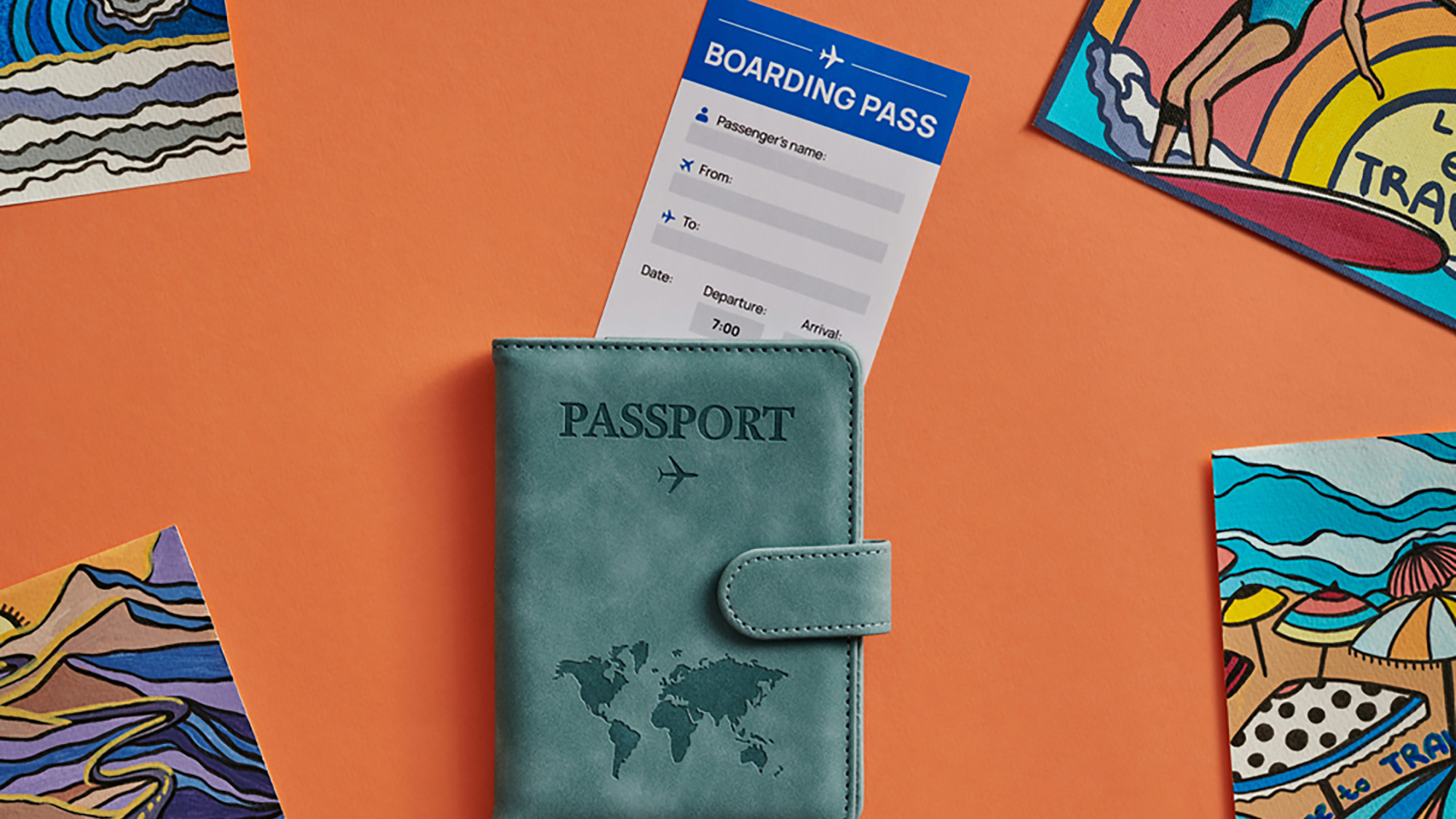
Before you leave, make digital and printed copies of your key travel documents. Keep one set in your luggage and one secure digital copy that you can access from overseas.
Important documents include:
- Passport
- Visa documents
- Travel insurance policy
- Flight details
- Hotel confirmations
- Emergency contacts
- Bank contact numbers
- Driver’s licence
- International Driving Permit, if required
This is one of those jobs that feels overly cautious until the day it saves you a great deal of trouble.
8. Check Your Phone and Data Options
International roaming can be expensive, so check your phone plan before leaving Australia. Depending on your destination, you may prefer a roaming pack, local SIM or eSIM.
Having mobile data overseas is very useful for maps, translation apps, transport information, banking alerts and staying in touch with family. It is much nicer to solve these things before you arrive than after a long flight when all you want is a shower and a proper cup of coffee.

Final Travel Checklist
Before your overseas holiday, make sure you:
- Buy suitable travel insurance
- Declare any pre-existing medical conditions
- Tell your bank where and when you are travelling
- Take at least two payment cards
- Consider a travel money card or Wise card
- Carry a small amount of local currency
- Check international transaction and ATM fees
- Choose local currency when paying or withdrawing cash
- Keep printed and digital copies of important documents
- Sort your phone roaming, SIM or eSIM
A little organisation before you leave can make your holiday feel calmer, safer and more enjoyable. Once the practical bits are sorted, you can focus on the best parts of travel: beautiful places, wonderful meals, new stories and the quiet joy of knowing you packed exactly the right jacket.

Ready to plan your next escape? Click here to check out our weekly specials, or get in touch with one of our travel experts!
1300 854 897 | holidays@holidaysofaustralia.com.au